
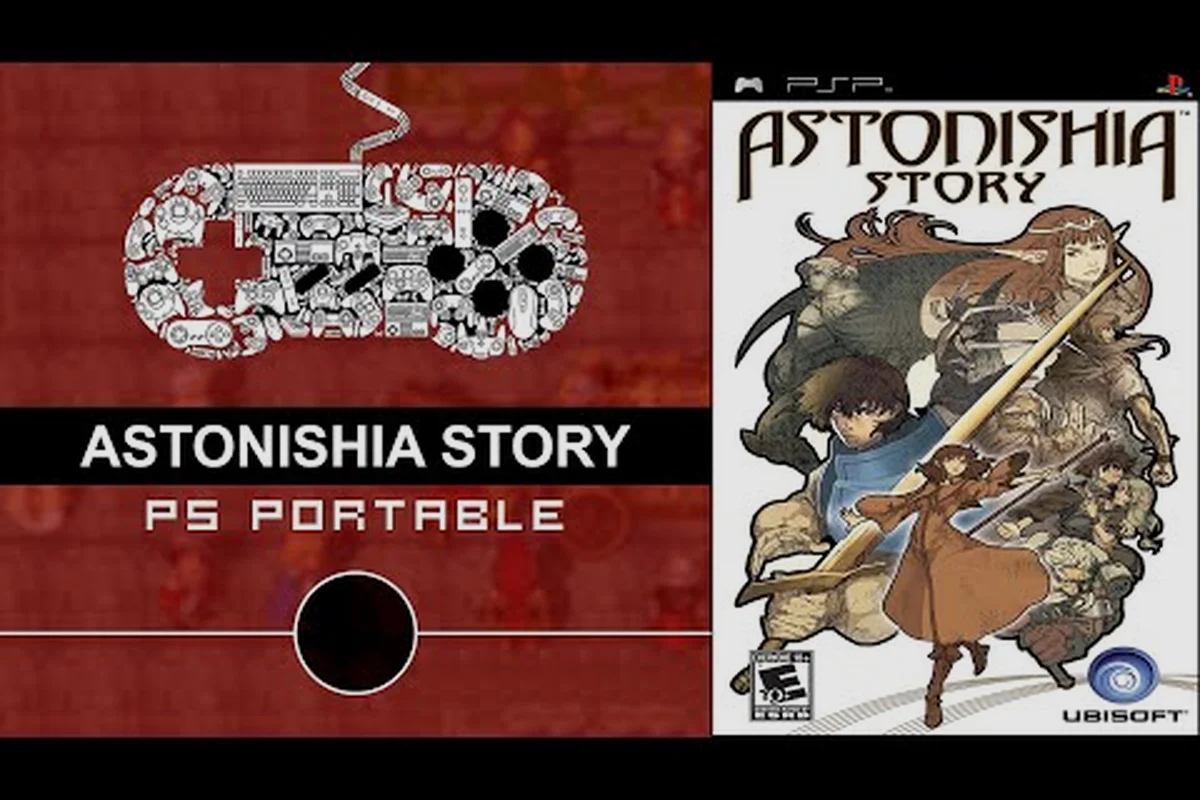
The grid-based battles in Astonishia Story reward players who master the full equipment catalog, because every slot in your party kit — from a freshly forged Short Sword to a late-game Sacred Relic — reshapes how you approach positioning and turn economy. This Astonishia Story items guide walks you through the weapons, armor, relics, potions, and accessories available in the upcoming February 11, 2027 Steam release, with verified data drawn from the official store page and community playthrough reports.
Core Item Categories in Astonishia Story
Before you start spending gold in town shops, it helps to understand how the five core item categories interact with the grid combat system. According to the official Astonishia Story store page on Steam, the remake preserves the classic 1994 Korean RPG loop where gear, consumables, and shop systems all feed into tactical positioning on a square battle grid.
| Category | Primary Role | Slot Type | Replace Frequency |
|---|---|---|---|
| Weapons | Damage output + accuracy | Equipped (1 per character) | Every 3-4 levels |
| Armor | Defense + resistances | Equipped (1 per character) | Every 4-5 levels |
| Relics | Quest-bound story items | Inventory (key) | Story progression only |
| Potions | Mid-battle healing + buffs | Consumable (stack) | Spent each fight |
| Accessories | Passive stat boosts | Equipped (1 per character) | Every 5-7 levels |
Weapons Overview
Weapons define the damage ceiling for every character in Sir Lloyd's party. Astonishia Story weapons follow a tiered progression from rusted iron found in the first dungeon up to legendaries dropped by chapter bosses, and each tier generally boosts both attack power and hit rate by a small percentage. Players who want a deeper breakdown of which blades fit the early game should consult the Astonishia Story best weapons reference once the Steam version launches.
Armor and Accessories at a Glance
Armor reduces incoming physical damage and occasionally blocks status effects, while accessories are passive trinkets that boost stats like agility, luck, or elemental resistance. Both occupy separate equipment slots, so a character can wear a steel cuirass and a silver ring simultaneously without overlap.
Weapon Tiers and Drop Sources
The weapon progression curve in Astonishia Story mirrors the original 1994 release: you start with rusted or wooden arms, graduate to iron and steel by the second chapter, and unlock rare forged weapons through boss drops, hidden chests, and late-game merchants. Community data from the Korean launch window (December 18, 2025) suggests the remake does not introduce new weapon tiers, but the redrawn sprites make each upgrade visually distinct.
| Tier | Example Weapons | Typical Stat Boost | Common Source |
|---|---|---|---|
| Starter | Rusty Dagger, Wooden Staff | +2-4 ATK | First town shops |
| Iron | Short Sword, Iron Mace | +8-12 ATK | Dungeon chests, early bosses |
| Steel | Steel Saber, Battle Axe | +15-20 ATK | Mid-game shops, mercenary rewards |
| Rare | Silver Lance, Crystal Bow | +25-35 ATK | Hidden rooms, elite enemies |
| Legendary | Holy Avenger, Dragon Slayer | +45-60 ATK | Chapter boss drops |
Early-Game Weapon Priorities
For the first dungeon, the Rusty Dagger and Short Sword are enough to clear trash mobs without burning consumables, because most enemies have low defense values. Save gold rather than over-upgrading, since the steel-tier replacements become available after the second chapter transition. According to the official store description, the grid-based battles throughout the quest reward careful positioning more than raw attack power, which is why community testers recommend prioritizing accuracy boosts over raw damage in the early hours.
Late-Game Weapon Farming
Chapter boss drops are the most reliable source of legendary weapons, but each boss only drops one specific item per run, so plan your farming route around the weapons you actually need. The Holy Avenger, for example, is tied to the Brimhild Cathedral encounter, while the Dragon Slayer is locked behind the lava cavern optional boss. Players have reported that the Korean version occasionally drops rare weapons from elite grid encounters, although exact drop rates are still being documented by the community.
Armor Progression and Defense Mechanics
Armor in Astonishia Story follows a parallel curve to weapons, but the defense formula is additive rather than multiplicative, meaning stacking lower-tier armor does not match a single high-tier piece. The defense guide confirms that each armor tier reduces incoming physical damage by a flat percentage plus a small flat reduction, which means a steel cuirass outperforms three iron chainmails combined.
| Tier | Example Armor | Defense Value | Special Property |
|---|---|---|---|
| Cloth | Cloth Tunic, Leather Vest | 3-5 DEF | None |
| Chain | Chain Mail, Bronze Plate | 8-12 DEF | Minor slash resist |
| Steel | Steel Cuirass, Knight Plate | 18-25 DEF | +5% block chance |
| Mythril | Mythril Armor, Silver Plate | 35-45 DEF | +10% block, light elemental resist |
| Divine | Divine Aegis, Holy Plate | 60-75 DEF | +15% block, status immunity to basic effects |
When to Upgrade Armor
The rule of thumb shared across player forums is to upgrade armor immediately before a known chapter boss, rather than chasing incremental defense during exploration. Because boss attacks often carry secondary effects like poison or stun, the block chance and resist properties on higher-tier armor save more HP than the raw defense number suggests. Players who want a deeper look at the underlying math should review the Astonishia Story defense guide for the full damage formula and status interaction list.
Armor vs. Accessories Trade-Offs
If you face a tight gold crunch before a boss, accessories often provide a better stat-per-gold ratio than incremental armor upgrades. A basic Silver Ring can grant +3 agility for a fraction of the cost of a mid-tier armor replacement, and agility boosts your grid movement range, which lets you reposition before enemy turns. This is one of the reasons the equipment economy feels flexible: armor, weapons, and accessories all compete for the same gold pool, but each fills a different tactical niche.
Relics, Quest Items, and Story Progression
Relics are the rarest category in the Astonishia Story items list, because most of them are tied directly to plot events. The most important relic in the entire game is the Wand of Kinan, the holy staff that Francis De La Cross steals at the opening of the story. According to the Astonishia Story Wikipedia entry, Sir Lloyd's quest begins as a recovery mission for that very staff, which means the relic is both a narrative anchor and a gameplay-defining item.
| Relic | Story Beat | Functional Effect |
|---|---|---|
| Wand of Kinan | Opening theft, central MacGuffin | Unlocks holy magic tree |
| Elven Amulet | Brimhild covenant quest | Opens elf-only dialogue |
| Royal Seal of Palmira | Mid-game court sequence | Bypasses castle guards |
| Crystal of Restoration | Late-game ritual quest | Required for final dungeon access |
| Brimhild's Tear | Optional elf village quest | Permanent +10 HP passive |
Relics Cannot Be Sold or Dropped
Unlike weapons and armor, relics are flagged as key items in your inventory and cannot be discarded, sold, or stored. This protects players from accidentally locking themselves out of story content, but it also means inventory clutter is not a concern in this category. The complete set of story relics is relatively short — fewer than ten in total across both the main quest and the optional elf-side content — which is part of why the inventory never feels bloated.
Optional Relic Rewards
The optional content in Astonishia Story rewards exploration with relics that grant permanent stat boosts, the most notable being Brimhild's Tear, which increases maximum HP by ten points for every party member. These optional relics are not required to beat the final boss, but they do smooth out the difficulty curve on hard mode and provide closure for players who enjoy completing the side content. Community testers note that the Korean release included three optional relics in total, and the English Steam version appears to follow the same count based on the official store page.
Potions, Consumables, and Mid-Battle Resources
Potions are the only consumable category that matters during combat, and stocking up before boss fights is non-negotiable. The basic healing potion restores roughly 30% of a character's max HP, while higher-tier versions scale upward into the 60-70% range. According to the Astonishia Story Steam news hub, the remake preserves the original consumable economy rather than introducing regenerating healing between fights.
| Potion | Heal Amount | Cost | Best Use Case |
|---|---|---|---|
| Minor Healing Potion | 30% HP | 50 gold | Trash mob attrition |
| Healing Potion | 50% HP | 150 gold | Standard boss prep |
| Hi-Potion | 70% HP | 400 gold | Late-game boss fights |
| Mana Potion | 30% MP | 120 gold | Magic-heavy characters |
| Antidote | Cures poison | 80 gold | Status-heavy dungeons |
| Holy Water | Cures curse | 200 gold | Late-game undead zones |
When to Stock Up
The most cost-efficient healing strategy is to buy Minor Healing Potions in bulk for trash mob encounters, saving the more expensive Hi-Potions for boss fights where the flat heal amount matters more than the gold-per-HP ratio. A useful rule of thumb is to enter every boss with at least four Hi-Potions per party member, because the late-game bosses can deal 40-50% of a max HP character in a single hit.
Consumable Inventory Limits
The inventory caps consumable stacks at 99 per item type, but no single shop restocks that much in one visit, so expect to make multiple town trips during long dungeon crawls. Players who want a complete list of shop locations and restock timers should check the Astonishia Story consumables guide, which catalogs every merchant, their inventory rotation, and the hidden shops that appear only during specific story beats.
Accessories, Passive Buffs, and Build Customization
Accessories are the smallest category by item count, but they punch above their weight because each one contributes a permanent passive stat. The most commonly recommended accessories for a balanced party build are stat boosters like the Silver Ring (+3 agility), Ruby Pendant (+5 strength), and Emerald Brooch (+10 max MP), all of which become available in mid-game town shops.
| Accessory | Stat Boost | Acquisition |
|---|---|---|
| Silver Ring | +3 AGI | Mid-game shop |
| Ruby Pendant | +5 STR | Late-game shop |
| Emerald Brooch | +10 MP | Magic trainer NPC |
| Lucky Charm | +5 LUK | Hidden chest in Chapter 3 |
| Boots of Swiftness | +2 movement | Optional dungeon reward |
| Amulet of Wards | +10% magic resist | Elite enemy drop |
Build Archetypes and Accessory Pairing
Each character has limited accessory slots, so choosing the right passive depends on the build archetype you want to run. A frontline fighter benefits from raw stat boosters like the Ruby Pendant, while a backline mage gets more value out of MP-boosting accessories like the Emerald Brooch. Because the remake keeps the original's grid-based positioning layer, the Boots of Swiftness accessory is one of the most versatile pieces in the game, because extra movement range directly translates into better tactical flexibility on every turn.
Where to Find Rare Accessories
Rare accessories are not sold in standard shops, which means players who want the full set need to clear optional dungeons, defeat elite enemies, or solve hidden chest puzzles. According to player reports, the highest-tier accessories are gated behind the optional elf village content, which is one of the reasons completing the full side-quest chain feels rewarding even on a second playthrough. The complete hidden chest and rare accessory map is documented in the Astonishia Story treasure guide, which lists every optional item and the puzzle steps required to unlock them.
Frequently Asked Questions
What is the most important item in Astonishia Story?
The Wand of Kinan is the most important item because it is the central relic of the entire plot and unlocks the holy magic skill tree for Sir Lloyd. Without it, the late-game holy damage options remain locked, and the final dungeon is significantly harder.
How often should I upgrade weapons versus armor?
Weapons generally need replacing every three to four levels because the raw attack curve scales faster than defense, while armor upgrades every four to five levels are usually enough. Save gold for both by avoiding shop upgrades between boss fights, because the cost-per-stat jumps sharply at each new tier.
Are relics missable in Astonishia Story?
Yes, several optional relics like Brimhild's Tear and the Royal Seal of Palmira are tied to side-quest branches that lock out if you progress past specific chapter checkpoints. Save before each major story transition and keep a separate save for the optional elf village content.
Where do I buy Hi-Potions most cheaply?
The late-game port town has the lowest Hi-Potion price at around 400 gold per vial, compared to 500-600 gold in earlier chapters. Stock up there before entering the final dungeon, because the boss corridor has no merchant and no rest point.
Can accessories be removed and reused?
Yes, accessories are fully reusable and can be swapped between characters at any time outside of combat. This makes them a flexible late-game customization layer, because you can move the Boots of Swiftness between frontline fighters and backline mages depending on the upcoming encounter.