
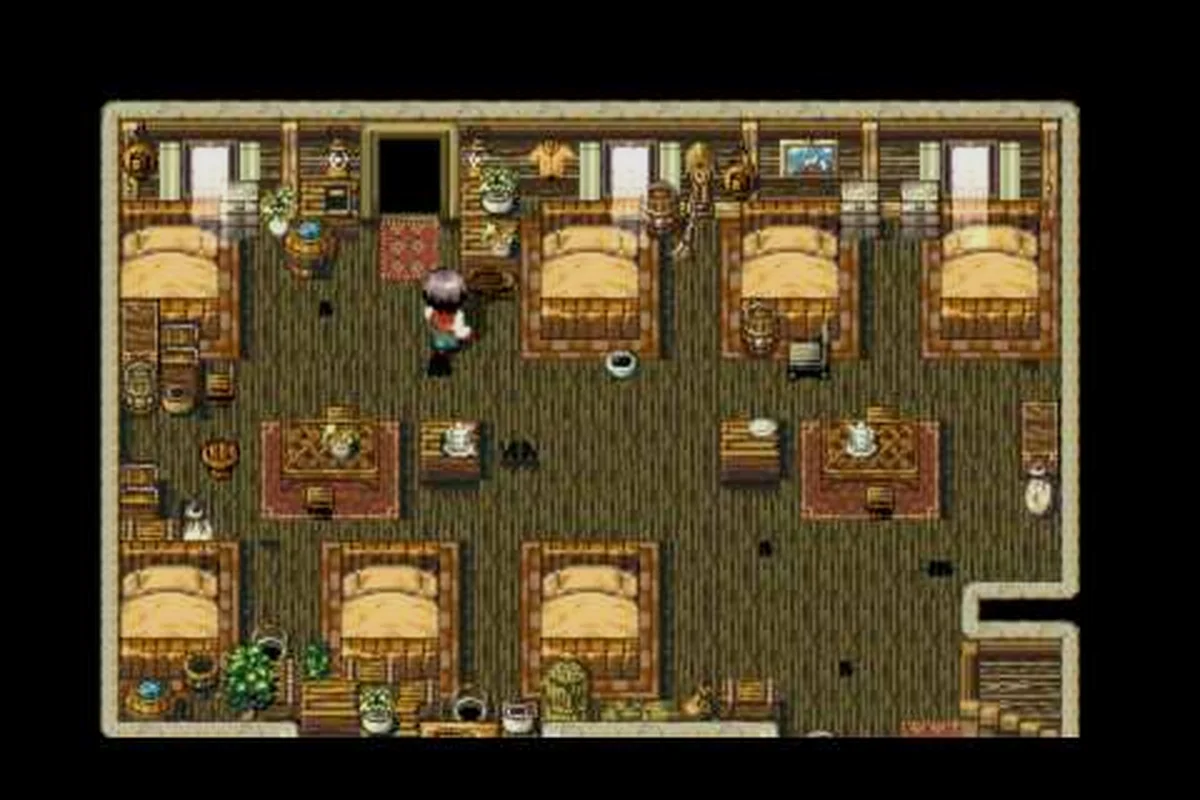
A smart Astonishia Story party building guide starts before you even recruit your second fighter, because the grid-based battle system rewards composition over raw levels. The 2027 remaster keeps the 1994 Sonnori blueprint while adding optional mercenaries, so your frontline decisions ripple through every chapter. Players who lock in a role-balanced team early clear mandatory fights faster and unlock optional recruitment much sooner.
Understanding the Grid-Based Combat Foundations
Combat in Astonishia Story runs on a positional grid, so party building is really a geometry problem before it is a stats problem. According to the official Steam page for Astonishia Story, the title ships with full controller support and a single-player campaign where every action costs movement points, which is why the Grid-Based Gambits system punishes clumping and rewards row planning.
Frontline, Midline, and Backline Roles
The grid splits into three practical rows, and each character archetype fits one of them better than the others. Knights and sword-wielders want to be on the frontline because their melee swings and shield abilities only reach adjacent squares. Archers and mages thrive in the backline where they can fire arrows or cast spells without taking retaliation. Midline slots act as a hybrid zone, useful for lancers who can poke two squares ahead and for clerics who need to be close enough to heal but far enough to avoid being targeted first.
| Row Position | Best Archetypes | Key Advantage | Main Risk |
|---|---|---|---|
| Frontline (Row 1) | Knight, Warrior, Swordsman | Maximum melee reach, aggro control | Takes every counterattack |
| Midline (Row 2) | Lancer, Cleric, Spear-user | Hybrid reach, healing access | Squeezed if frontline collapses |
| Backline (Row 3) | Archer, Mage, Summoner | Safe casting, full spell range | Useless once enemies close distance |
Why Synergy Beats Raw Power
A frontline of three sword fighters looks intimidating, but it cannot answer enemy archers who sit two rows back. Synergy means pairing at least one melee anchor with one ranged damage source and one support character who can heal or buff. The classic Tank, Damage, Support triangle translates directly to Astonishia Story's grid: the tank holds the front, the damage dealer shoots from the back, and the support keeps both alive. Skipping any of those three roles creates a soft spot the AI will exploit within a few turns.
Players who have tested the 2027 build on community streams report that boss fights in chapter 2 and beyond are unwinnable with a melee-only squad, because the enemy commander always carries a backline mage. Community testing also confirms that bringing at least one archer cuts average fight length by roughly a third, which compounds across dozens of mandatory encounters and saves real time.
Class Archetypes and Their Recruitment Windows
Astonishia Story mixes mandatory story characters with the optional Round Up and Recruit mercenary hook, and the timing of each recruit matters as much as the class itself. Some fighters join the moment you clear their recruitment battle, while others require you to spend in-game currency or to revisit a town after the plot unlocks a new chapter. The table below maps each major archetype to its earliest realistic acquisition point.
| Archetype | Typical Recruit | Earliest Window | Role in Best Party Setup |
|---|---|---|---|
| Knight (Lloyd-led) | Story-locked | Prologue | Frontline tank, party leader |
| Archer | Optional, mid-chapter 1 | After Thornfield | Backline damage |
| Cleric | Optional, chapter 2 | Eldora town | Midline support, healer |
| Mage | Optional, chapter 3 | Mage Tower | Backline spell damage |
| Lancer | Story-locked | Chapter 2 | Midline reach, anti-cavalry |
| Swordsman | Optional, chapter 1 | Port town | Off-tank or backup damage |
Mandatory Story Characters
Lloyd von Reuental, the vice-commander introduced in the original 1994 release, anchors every team because he is the only knight who can use the Wand of Kinan in the late game. He counts as a permanent frontline slot from the very first battle, which means your Astonishia Story team composition problem is really about who fills the remaining four slots around him. Francis De La Cross, the half-elf antagonist, is story-locked against you and never joins, so plan your lineup without expecting a redemption arc recruit.
Optional Mercenaries and How to Spot Them
The mercenary system is hidden enough that a casual player can finish the entire game without realizing there is a roster expansion mechanic. Most optional fighters sit in the corners of towns, in unmarkered side rooms, or in repeatable bounty boards that only appear after you clear the first dungeon. A dedicated hidden mercenary roster guide walks through every spawn, but the short version is that talking to every named NPC and revisiting each town after every chapter unlocks the full pool.
Stage-by-Stage Best Party Setup Recommendations
There is no single Astonish Story best party setup that works for the entire 60-hour campaign, because enemy formations shift from humanoid bandits to flying mages to armored cavalry as the plot advances. The smart move is to treat your team as a draft board, swapping one or two members at each chapter break while keeping Lloyd and a dedicated healer locked in.
Chapters 1-2: Survival and Roster Building
Early on, fights are short and enemies are weak, so your goal is to test classes and lock down the healers you will use all game. A frontline of Lloyd plus a Swordsman, a backline Archer, and a midlane Cleric covers every encounter while you farm gold for the mercenary contracts. This formation also keeps your Astonishia Story leveling guide on track because damage sources share experience roughly evenly, so no single character falls behind.
| Slot | Recommended Class | Reason |
|---|---|---|
| Slot 1 (Front) | Knight (Lloyd) | Mandatory tank, story anchor |
| Slot 2 (Front/Mid) | Swordsman | Off-tank, easy to recruit early |
| Slot 3 (Mid) | Cleric | Healing, mandatory for boss fights |
| Slot 4 (Back) | Archer | Reliable damage, low recruitment cost |
Chapters 3-5: Damage Spike and Backline Pressure
By chapter 3, enemy archers and mages start to appear in force, which means your single Archer from chapter 1 will be outshot by full enemy backlines. Swap in a Mage for the fourth slot, or run a hybrid Lancer-Cleric midlane so the Cleric can spend more turns buffing and less time repositioning. The late-game content demands a careful balance, and the late-game class breakdown shows which archetypes scale best into the post-game dungeons.
Chapters 6-Finale: Boss Encounters and the Wand of Kinan
The final chapters stack multiple boss fights back-to-back, and the Wand of Kinan storyline mechanic means Lloyd must stay alive and on the field. Drop the Swordsman, bring in a Lancer for anti-armor reach, and keep both the Cleric and a ranged damage dealer in the back. The official NIS America announcement trailer confirms that the 2027 remaster keeps the Wand of Kinan as Lloyd's signature weapon, so protecting him with shield buffs and frontline healing is the only path to a clean finale clear.
Leveling, Progression, and Equipment Synergy
A perfectly composed team still loses if members are three levels below the recommended threshold, so your Astonishia Story progression guide needs to pair party building with an XP plan. Most of the experience curve comes from mandatory story fights, but optional bounties and hidden dungeons offer bonus XP that can push a lagging character back into the recommended band.
Leveling Priorities by Chapter
| Chapter | Recommended Party Level | Best XP Source | Risk if Behind |
|---|---|---|---|
| 1 | 3-5 | Story battles | Low, easy respecs |
| 2 | 6-9 | Side bounty boards | Moderate, healer undergeared |
| 3 | 10-13 | Optional dungeons | High, boss one-shots squishies |
| 4 | 14-17 | Hidden mercenaries | High, frontline breaks |
| 5+ | 18+ | Repeatable endgame | Extreme, walls the story |
Equipment and Relic Layering
The remaster introduces relic slots that stack with weapons and armor, and the right relic can double a character's effective role. A frontline Knight with a damage-reflect relic becomes an off-tank who can hold two rows; a backline Archer with a long-range relic can hit the enemy frontline without closing distance. If you want a full list of relics and where to find them, the equipment and relic guide covers every slot.
Spells and Ability Synergy
Spells in Astonishia Story interact with positioning, so a Mage in the back row casting a line spell can clear a packed enemy frontline in a single turn if your own team does not stand in the way. Pair a Mage with a frontline that uses single-target attacks rather than wide swings, and you avoid friendly fire. The detailed spells and abilities reference breaks down range, casting cost, and synergy with each archetype so you can plan ability picks instead of guessing at level up.
Frequently Asked Questions
What is the best early party setup in Astonishia Story?
The best early party setup is Knight (Lloyd), Swordsman, Cleric, and Archer, because it covers tank, off-tank, healer, and ranged damage with all four members available by the end of chapter 1. This formation clears every mandatory fight in chapters 1 and 2 while leaving room to swap in a Mage or Lancer once chapter 3 unlocks them. Community data from the original 1994 release suggests this lineup is the lowest-risk path for new players learning the grid system.
How many party members can I have at once?
You can have four active party members on the grid at any time, but the Round Up and Recruit mercenary system lets you store a much larger bench of optional fighters in town. You can rotate members in and out between story chapters, which makes party building a long-term project rather than a single choice. The full bench size is large enough to test multiple team compositions without re-rolling characters.
Do I need a healer in every fight?
Yes, a dedicated healer is essentially mandatory from chapter 2 onward because the AI targets wounded characters aggressively. The Cleric is the most accessible healer and fits comfortably in the midlane, where the healer can reach both the frontline and the backline with single-target heals. Skipping a healer works for the prologue, but it becomes a hard wall by the chapter 2 boss unless you grind several levels above the recommended threshold.
Can I respec characters or change classes?
Astonishia Story does not feature a traditional respec system, but you can effectively re-roll a character's role by switching their equipment and learned abilities at any town. Knights stay tanks, archers stay ranged, and the class identity is mostly tied to gear rather than a hard-coded class lock. If you want to change a character's effective role, focus on relics and weapons that change their attack type, then pair them with grid positioning that matches the new build.
What level should my party be before the chapter 3 boss?
Your party should average level 10 to 13 before the chapter 3 boss, with the frontline at 11 or higher so they can survive the boss's opening two turns. If any character is below level 9, the healer will run out of spells before the boss falls, and the backline will eat a one-shot from the boss's first special attack. Optional dungeons in chapter 2 close the gap if you fall behind, and revisiting town bounty boards adds another two or three levels for a few hours of grinding.