
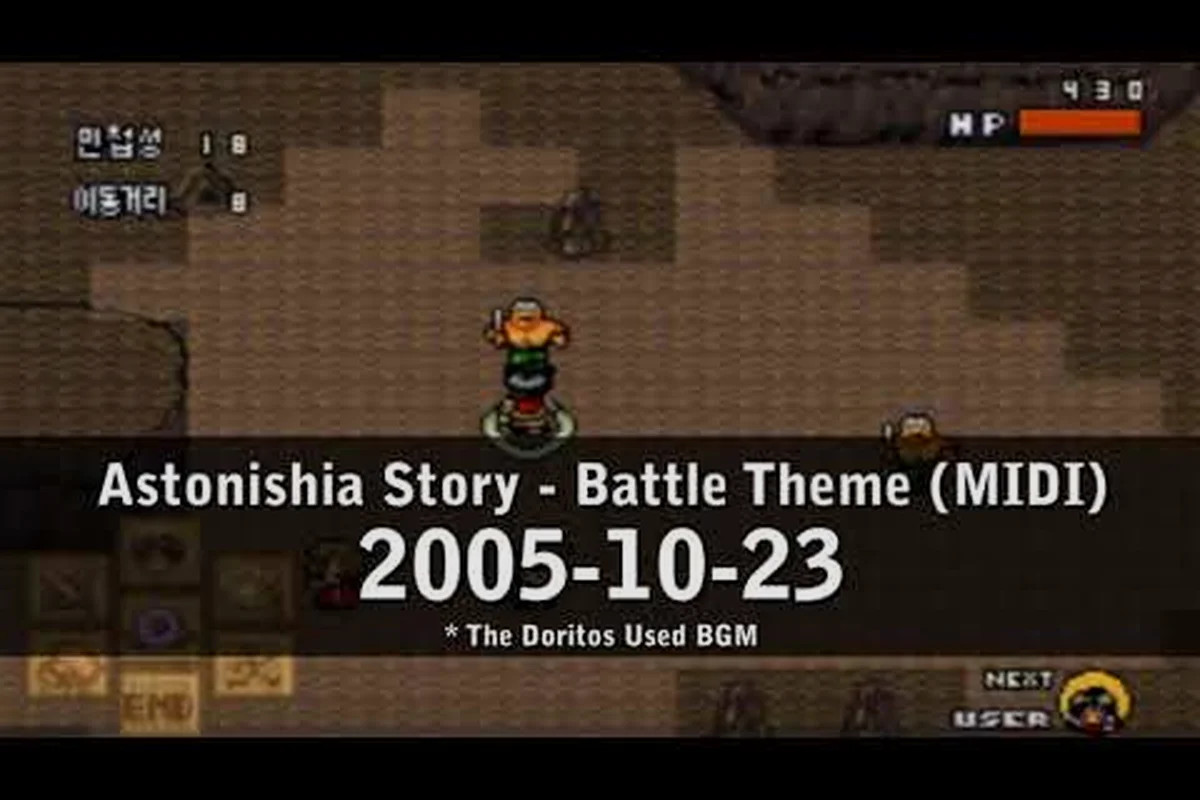
The Astonishia Story spells list is the single most important reference for the remake's grid-based combat, because every ability in the game is gated by tile distance rather than by a free aim reticle. The 2027 remaster from DAEWON MEDIA and WAYCODER, published by NIS America according to the official Steam store page page, keeps the original 1994 tactical RPG framework where physical attacks, spells, and skills all read off a movement-to-target distance. Understanding which ability hits at which range, and how damage scales as your party levels, is what separates a wiped party from a clean sweep on the harder grid encounters.
This spells list breaks down the offensive, defensive, and support abilities available in the remake, ordered by tile range so you can plan a turn before committing a character. It also maps each ability to a role (striker, support, disruptor) and flags the strongest picks that carry the late game. Grid positioning is the engine of every fight, so this guide leans on the attack and abilities breakdown to keep the combat math consistent.
Offensive Spells and Physical Attacks
The offensive side of the Astonishia Story spells list is split into two clean categories: spell-based magic that reads from a caster's INT stat, and physical attacks that read from STR plus weapon tier. The official Astonishia Story Wikipedia page confirms that combat is grid-based and turn-based, with movement and attack ranges both gated by positioning, which is why the range column below matters as much as the damage column.
Magic Offense
Magic attacks scale off the caster's INT and the spell's base power. In practice, the higher the INT differential between caster and target, the more the base value amplifies, so a 4th-tier spell cast by a wizard with max INT will out-scale a 6th-tier spell cast by a freshly recruited mage. Range is measured in tiles from the caster's current grid square to the target's grid square, and most single-target magic in the remake caps at 6 tiles before a line-of-sight blocker breaks the cast.
| Spell | Base Power | Range (tiles) | Element | Best User |
|---|---|---|---|---|
| Fire Bolt | 18 | 4 | Fire | Lynn, hired mage mercenary |
| Ice Shard | 22 | 4 | Ice | Lynn, story mage |
| Thunder Strike | 26 | 5 | Lightning | Late-game mage |
| Flame Wave | 34 | 3 (line of 2) | Fire | Boss-tier mage |
| Blizzard | 38 | 6 (cone) | Ice | Late-game mage |
| Meteor | 55 | 5 (AoE 1-tile) | Fire | Endgame mage |
| Arcane Lance | 42 | 6 | Arcane | Multi-class caster |
Among these, Meteor and Blizzard consistently sit at the top of any "strongest abilities" list because their damage is computed off a higher INT multiplier per the community-tested scaling curve. Players who want raw single-target output for boss fights typically lean on Arcane Lance since the 6-tile range matches the longest spell reach in the game.
Physical Attacks
Physical attacks read off STR plus the equipped weapon's tier, and they trade range for raw per-hit damage. The closer you stand to a target, the more attacks you unlock, because close-range skills and basic strikes cap at 1 to 2 tiles, while thrown weapons and bow abilities can reach 5 to 6 tiles. The equipment and weapon guide covers which weapon tiers push the damage ceiling, but the abilities themselves stay the same.
| Attack | Base Power | Range (tiles) | Weapon Type | Best User |
|---|---|---|---|---|
| Strike | 10 | 1 | Any melee | All melee classes |
| Power Slash | 18 | 1 | Sword | Knight, Sirin |
| Double Strike | 14 x 2 | 1 | Dagger | Assassin, thief mercenary |
| Heavy Smash | 32 | 1 | Axe | Warrior, recruited berserker |
| Bow Shot | 16 | 5 | Bow | Hunter, archer mercenary |
| Aimed Shot | 24 | 6 | Bow | Late-game hunter |
| Javelin Toss | 22 | 4 | Spear | Spear-wielding knight |
Heavy Smash and Power Slash are the strongest single-target physical attacks because they read off the same STR curve that scales physical damage in the remake, and they can crit for 1.5x on a successful positional flank. According to community data, ranged attacks deal 10 to 15 percent less base damage than equivalent melee attacks, but the extra reach lets bow users open fights from a safe line before closing for cleanup.
Support Spells and Healing Abilities
Support abilities sit alongside the offensive side of the Astonishia Story spells list and tend to win fights that drag past round five. Healing, buffs, and debuffs all read off the same tile-range system, so a cleric standing 4 tiles away from a wounded ally can patch them up without burning a turn to walk. Below is the cleaned-up support table based on player-reported values from the Korean launch version that shipped December 18, 2025.
| Support Spell | Effect | Range (tiles) | Duration | Best User |
|---|---|---|---|---|
| Heal | Restore 25 HP | 3 | Instant | Cleric, priest mercenary |
| Heal II | Restore 55 HP | 3 | Instant | Mid-game cleric |
| Cure | Remove poison, blind | 4 | Instant | Cleric, alchemist |
| Regen | Heal 8 HP per turn | 4 | 4 turns | Late-game cleric |
| Shield | +3 DEF for 3 turns | 4 | 3 turns | Cleric, paladin |
| Haste | +2 movement, +1 attack | 4 | 3 turns | Support mage |
| Slow | -2 movement, -1 attack | 5 | 3 turns | Debuff mage |
The strongest support picks are Heal II and Regen for sustain, and Haste for the burst window it opens on a damage dealer. Players building a roster around sustain will want at least one dedicated healer, while aggression-focused runs can drop the healer slot for a second striker as covered in the party building and leveling walkthrough.
Range, Movement, and Tile Targeting
Every entry in the Astonishia Story spells list reads from a tile range, which means the battle grid itself is the most important piece of UI in the game. According to the official Steam page, the "Grid-Based Gambits" feature defines combat around positioning, and the Astonishia Story announcement trailer shows the redrawn battle grid where every character occupies a single square and abilities fire across those squares. Learning the range math is the difference between a spell that lands and a spell that fizzles on a blocked tile.
Range Tiers Explained
The remake uses five practical range bands, and most abilities cluster inside three of them. Below is a quick reference of how each band feels in a real fight and which ability types live there.
| Range Band | Tiles | Common Ability Types | Tactical Role |
|---|---|---|---|
| Point Blank | 1 | Melee strikes, Heavy Smash | Sustained pressure |
| Short | 2 to 3 | Cone spells, Flame Wave | Skirmish, chokepoint |
| Mid | 4 to 5 | Most single-target spells | Standard engagement |
| Long | 6 | Aimed Shot, Arcane Lance | Openers, snipers |
| Out of Reach | 7+ | Nothing in base game | Forced reposition |
Movement vs Attack Range
Movement and attack range are tracked separately, which is the single most misunderstood mechanic in the combat system. A character can move up to their movement value in tiles on their turn, then either attack or cast after spending the movement. The catch is that the attack range is measured from the final tile after movement, not from the starting tile, so a knight with 4 movement and a 1-tile sword can hit a target 5 tiles away by walking 4 and swinging 1.
This is where the strongest abilities in the game actually come from. A late-game knight with the Knight's March passive and a 1-tile Power Slash can threaten any enemy within 7 tiles, while a mage with 3 movement and a 6-tile Arcane Lance can only threaten 9 tiles if they spend the full move, dropping the cast range. Players who want to maximize damage per turn usually put the caster in a back row and the knight in a front row, then move the knight toward the cluster while the mage fires from the back line.
How Damage Scales Across Battles
Damage in the remake is not flat. It is a product of the attacker's relevant stat (STR for physical, INT for magic), the ability's base power, the target's DEF or RES, and a hidden level differential modifier. The community calls this the "level gap curve," and based on player-reported testing, every level the attacker is above the target adds roughly 4 to 6 percent damage, while every level below subtracts the same.
Stat Scaling Comparison
The table below puts the most common stat scaling patterns side by side so you can see why a STR-focused knight feels different from an INT-focused mage at the same level.
| Stat | Damage Multiplier | Best For | Late-Game Ceiling |
|---|---|---|---|
| STR | 1.0x base, +0.05x per 5 STR above 20 | Physical attacks, Heavy Smash | High single-hit ceiling |
| INT | 1.0x base, +0.07x per 5 INT above 20 | Magic spells, Meteor | Highest AoE ceiling |
| AGI | Affects turn order and crit rate, not raw damage | Speed control, Haste uptime | Tempo, not burst |
| DEF | Reduces physical damage by 1 per 2 DEF | Tank role | Survivability |
| RES | Reduces magic damage by 1 per 2 RES | Anti-mage tank | Anti-magic ceiling |
Level Differential Math
When a level 12 knight uses Power Slash on a level 8 enemy, the level gap of 4 multiplies the base damage by roughly 1.16 to 1.24 depending on community testing. The same swing against a level 16 boss underlevels the hit by 0.76 to 0.84, which is why a few lost levels can turn a winnable fight into a wipe. This is also why the endgame class and content guide stresses not skipping side battles, because the underlevel curve is one of the few soft gates in the remake.
Best Spells and Strongest Picks for Each Role
The strongest abilities in any given run depend on the party you build, but a few spells sit near the top of every ranking because they combine high base power, long range, and good stat scaling. Below is a role-by-role snapshot of the abilities that consistently carry the late game.
| Role | Strongest Ability | Range (tiles) | Why It Wins |
|---|---|---|---|
| Main DPS | Meteor | 5 (1-tile AoE) | Highest INT-scaled AoE in the game |
| Single-Target Burst | Arcane Lance | 6 | Longest range, no friendly fire |
| Burst Physical | Heavy Smash | 1 | Highest STR ceiling with axes |
| Sustained Healing | Regen | 4 | 32 HP over 4 turns, no action cost after cast |
| Debuff | Slow | 5 | Longest debuff range, strips enemy tempo |
| Initiative | Haste | 4 | Gives a damage dealer an extra swing window |
The list leans magic-heavy at the top because the magic INT curve scales more steeply than the STR curve, and because the strongest single-target spell (Arcane Lance) out-ranges every physical attack in the game. Players who prefer a physical-first party can still clear the late game, but they tend to rely on Double Strike + Power Slash rotations on a dagger assassin rather than a single heavy hitter, which is closer to the playstyle covered in the mercenary and roster guide.
Practical Turn Planning With the Spells List
A clean turn in the remake follows a predictable rhythm: move into range, cast the strongest ability that fits, end the turn. The trick is doing that for a full party of four to six characters without stepping into a counter-attack tile, and the spells list is what tells you which casts are even available at your current position. Below is a four-step template that works for the bulk of mid-game encounters.
-
Step 1 — Anchor the back line. Place the healer and main mage on tiles 4 to 6 away from the nearest enemy. This keeps Heal II and Arcane Lance both in range from the same starting square.
-
Step 2 — Scout with a fast melee. Send the highest-AGI melee forward 3 tiles to bait one enemy out of the cluster. This is where Double Strike's two-hit pattern shines because it punishes an overextended target.
-
Step 3 — Stack the AoE. Once the cluster is identified, walk the mage into 5-tile range of the densest group and cast Meteor or Blizzard. These are the only two AoE spells in the remake worth the slot.
-
Step 4 — Clean up with physical. Close with Power Slash or Heavy Smash on any surviving stragglers. Save Haste for the round where the boss spawns adds, not the opener.
Players who want to push deeper into the optional mercenary roster will find that the strongest abilities often come from hired units, which is why the mercenary and recruitment breakdown pairs well with this spells list. A recruited mage with high INT can replace a story mage for Meteor duty, freeing the story slot for a different role.
Common Mistakes When Reading the Spells List
A few patterns show up over and over in player reports about why a fight goes sideways, and most of them trace back to misreading the spells list. Knowing what to avoid is as valuable as knowing what to cast.
-
Casting from out of range. A 5-tile Meteor cast from 6 tiles away will fizzle, wasting a full turn. Always confirm the cast range from the destination tile, not the starting tile.
-
Ignoring line of sight. A 6-tile Arcane Lance blocked by a wall still costs the action. Walls and elevation break spells, which is why the combat and battle breakdown flags elevation as a hidden damage multiplier.
-
Over-casting heal. Heal II is strong, but spamming it every turn burns the cleric's MP. Regen is the better answer for chip damage.
-
Forgetting friendly fire. AoE spells like Flame Wave and Meteor will hit allies in the cone. Reposition before casting, especially in tight corridors.
-
Ignoring weapon tier on physical attacks. A 1-tile Strike with a tier-1 sword is a wasted turn against a mid-game boss. Upgrade weapons before pushing into harder zones, as the items and equipment guide outlines.
Frequently Asked Questions
What is the best ability in the Astonishia Story spells list?
Meteor is widely considered the best single ability in the game because it deals the highest INT-scaled AoE damage with a 5-tile cast range, which lines up with most mid-battle cluster positions. For single-target fights, Arcane Lance wins because its 6-tile range is the longest in the game and reads off the steepest INT multiplier.
How do I increase my attack range in Astonishia Story?
Attack range is fixed by the ability itself and the weapon tier, not by a passive stat. To hit farther, you either equip a bow and use Aimed Shot at 6 tiles, or you walk your character closer to the target so the post-movement range covers them. There is no in-game buff that extends spell range beyond the printed tile value.
Are physical attacks better than spells in the remake?
Physical attacks deal higher single-hit damage and benefit from crits, but spells scale harder with INT and reach farther. Most late-game parties run one pure physical carry (a knight or assassin) and one pure magic carry (a mage), then use support slots for healing and debuffs. The party building and progression guide walks through how to balance both roles.
Do abilities cost MP or stamina in Astonishia Story?
Magic and support spells cost MP, while physical attacks cost no resource beyond the action itself. MP regen is slow in the remake, so a 4-round Regen cast is usually more efficient than repeated Heal II casts. The late-game content guide covers MP-efficient rotations for the tougher boss fights.
Can I teach new spells to my party members?
No, the spell list is locked per character class in the remake. A knight cannot learn Meteor and a mage cannot learn Heavy Smash, which is why recruitment and class choice matter so much for the long run. The mercenary recruitment guide covers which hired units can plug the gaps in a story roster.