
Combat
Astonishia Story combat guide — grid-based battles, positioning, turn order, abilities and boss strategy for the tactical RPG remake arriving February 11, 2027.
Introduction
Every fight in Astonishia Story happens on a grid, and the grid is the whole game: movement, range, turn order and positioning decide who strikes first and who falls. The remake refines this classic tactical system while keeping the grid philosophy of the 1994 original — you weigh every tile because a mage out of position is a mage about to die, and an archer on the right perch can pin half the enemy formation. The Combat hub covers the mechanics from the ground up: how movement and range work, how turn order flows, how abilities and magic change the math, and how to read enemy formations. Boss-specific advice lives here too, because the hardest fights are won before they start — in the choices you make about who stands where.
Battle System Fundamentals
| Mechanic | How It Works | Why It Matters |
|---|---|---|
| Grid Movement | Units move tile by tile within a range limit | Every tile spent is a positioning decision for attack and defense |
| Turn Order | Fights proceed in structured turns per unit | Ordering actions decides who heals first and who gets hit first |
| Positioning | Facing, range and terrain shape every engagement | Good placement multiplies damage and keeps fragile allies alive |
| Abilities & Magic | Character skills and spells with costs and ranges | The right ability at the right tile breaks formations |
Tactics Explained
Grid Movement
Every tile is a decision: move, attack, hold or retreat
Turn Order
Sequence your actions so healing and damage land where they count
Positioning
The remake's battles are won and lost before the first strike
Abilities & Magic
Character-defining skills and spells that break formations
Core Mechanics
Astonishia Story's combat is a grid-based tactical system in the classic mold: units occupy tiles, movement is limited by class, and every engagement is about controlling space before trading blows. Battles unfold in structured turns, letting players sequence actions — move, attack, heal, reposition — with full visibility of the enemy's position. Positioning is the heart of the system: durable classes hold lanes and absorb pressure, archers and ranged units punish movement across open tiles, and mages unleash powerful abilities from protected positions. The remake refines the presentation and flow of this classic design while keeping the strategic core, which is why the Combat hub stresses fundamentals: learn the grid, respect turn order, and treat every tile as a decision.
Advantages
Mastering the combat system converts every fight into a winnable puzzle instead of a stat check. Positioning knowledge lets your party take fights above their apparent strength — the right lane block or the right mage placement is worth levels of raw power. Turn-order awareness turns heals into saves and finishing blows into escapes, while ability timing gives you tools that solve formations outright. Because the remake preserves the classic tactical design, the fundamentals you learn now transfer directly to the western build at launch, making the Combat hub one of the highest-leverage preparation investments a player can make before February 2027.
Challenges
The honest limit of this hub is that precise combat data for the western remake is not public yet. Exact damage formulas, ability lists, movement ranges and boss patterns come from the classic games' history and official announcements, and the 2027 build may adjust numbers or add mechanics. Until launch, treat specific numbers as directional rather than definitive, and use the site as a foundation: the grid philosophy, turn structure and positioning principles documented here will hold even when exact values change. The Korean build's early impressions give a useful preview of the combat feel, but full confidence in every stat and pattern will only arrive when the western version is playable and the community has tested it.
Frequently Asked Questions
Is Astonishia Story turn-based or real-time?+
Does positioning really matter that much?+
What does the remake change about combat?+
How do I beat hard battles and bosses?+
Quick Tips
Never end a turn without asking what each unit gains from its tile: attack reach, safety, or a lane held. Tiles are the game's real currency, so positioning your knights in choke points and archers on high ground often matters more than raw stats. Before you confirm a move, check whether the tile exposes your caster to a counterattack and whether a better square lets you hit two targets with one ability next turn.
Heal one turn earlier than feels necessary — a unit that survives with one HP because of an early heal outperforms a unit that dies with full MP. In a turn-based grid fight, a dead character contributes nothing, while an early heal keeps pressure on the enemy for every remaining round. Watch incoming enemy clusters and top off anyone who is about to be targeted, and keep at least one item or spell as an emergency patch for the frontline.
Use abilities to solve formations, not just to deal damage: the spell that breaks a cluster or the skill that denies a lane wins fights you would otherwise lose. Study how enemies group up at the start of each battle and pick the ability that disrupts their positioning first. Area attacks become dramatically stronger when enemies clump in doorways or around objectives, so save your biggest area spell for the moment a packed formation offers maximum value.
Against bosses, bait with your most replaceable unit's positioning — make the boss commit movement, then punish the opening with your real damage dealers. Bosses often telegraph their next attack by facing or edging toward a target, so keep your tank in reach and your damage dealers one tile outside danger. Rebuild your line immediately after the boss moves: a single repositioning turn is cheap, but a dead mage at the climax is a run-ending loss.
Featured
Astonishia Story Battle Tactics: Positioning, Abilities & Skills
Outsmart every encounter with this Astonishia Story battle tactics guide covering unit positioning, ability usage, and the magic and skill combos that swing fights.
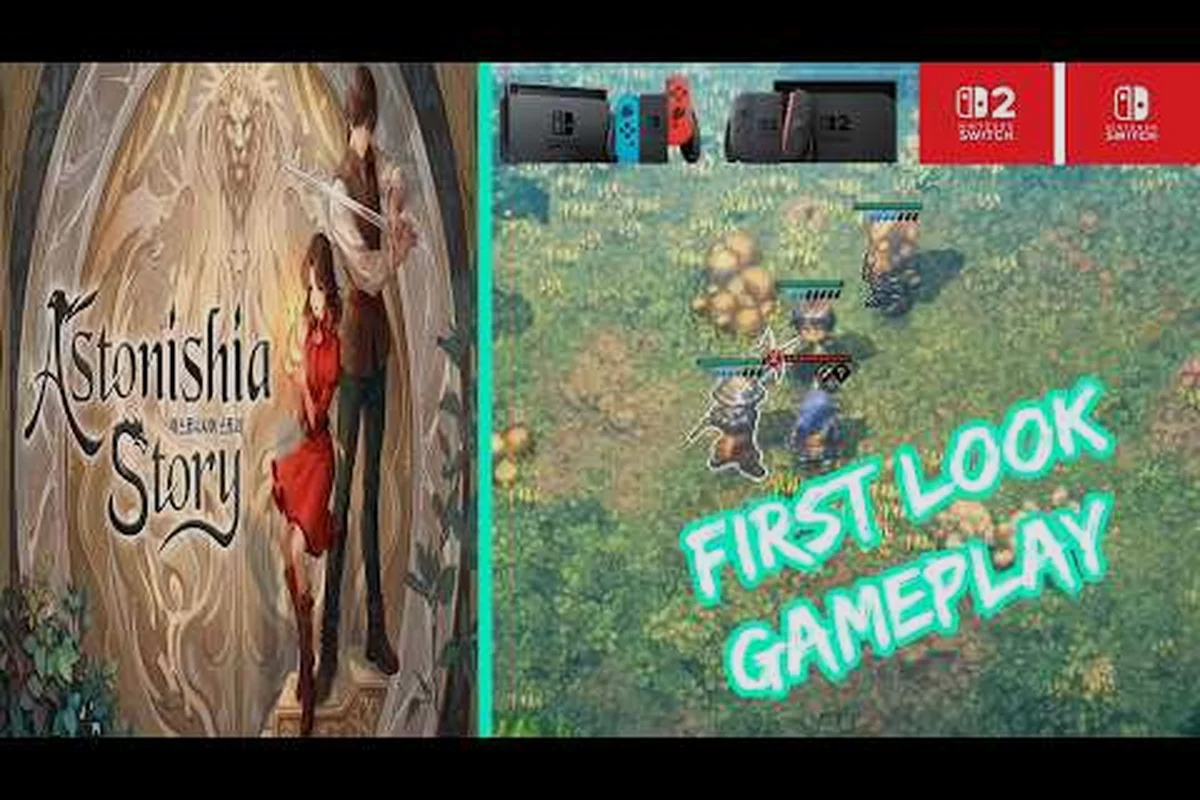
Astonishia Story Combat Guide: Grid & Turn Order Basics
Learn the Astonishia Story combat guide fundamentals — grid movement, turn order, and ability basics that every new party needs to win tactical fights.
Astonishia Story Defense Guide: Shields, Status Effects & Healing
Stay alive through tough fights with this Astonishia Story defense guide covering shields, armor mechanics, status effects, and healing priorities.
All Articles

Astonishia Story How Battles Work: Grid Rules, Melee & Ranged
Learn how battles work in the Astonishia Story HD remake with this guide covering grid movement, melee versus ranged placement, and turn order.
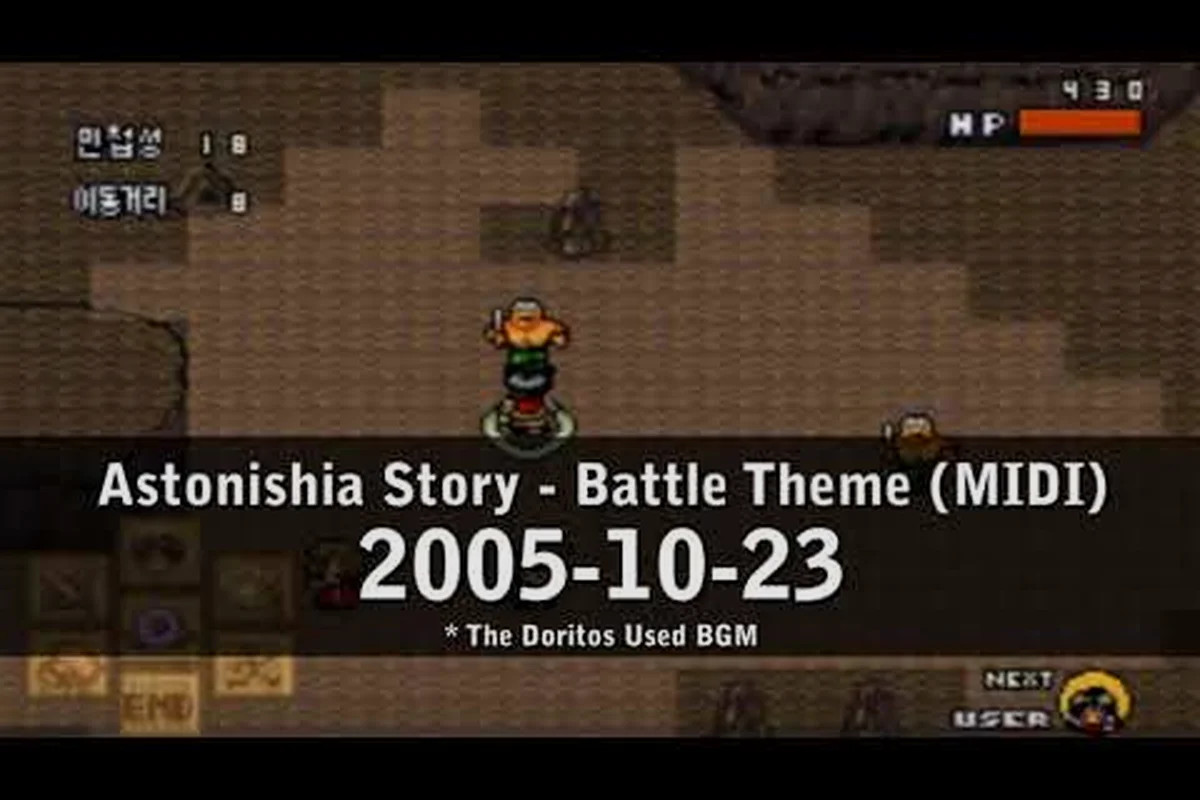
Astonishia Story Spells List: Top Abilities & Range
Browse the Astonishia Story spells list for the strongest offensive and support abilities, their range values, and how damage scales across battles.
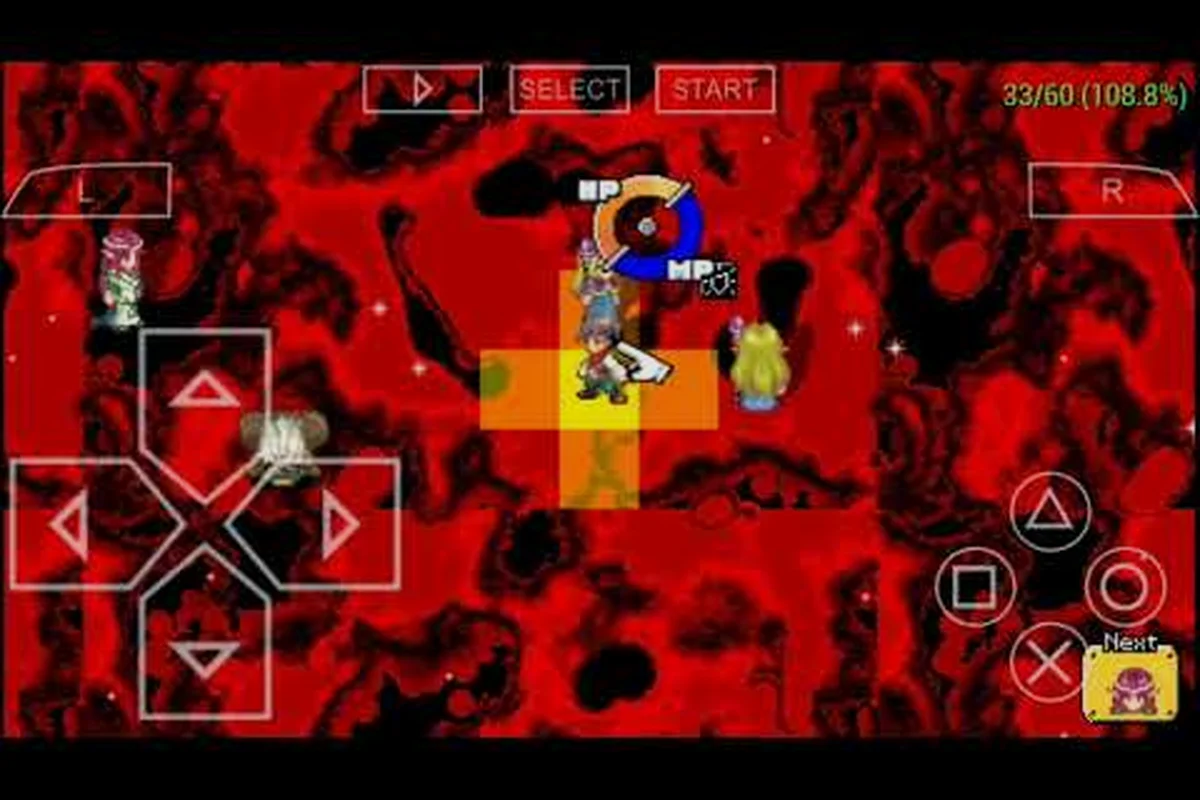
Astonishia Story Boss Strategy: Phases & Weakness Windows
Survive the hardest encounters with this Astonishia Story boss strategy guide covering phase transitions, weakness windows, and the prep that wins runs.
Astonishia Story Turn Order Guide: Initiative & Evasion
Predict every round with this Astonishia Story turn order guide covering initiative, critical hit triggers, and the evasion math that decides encounters.