
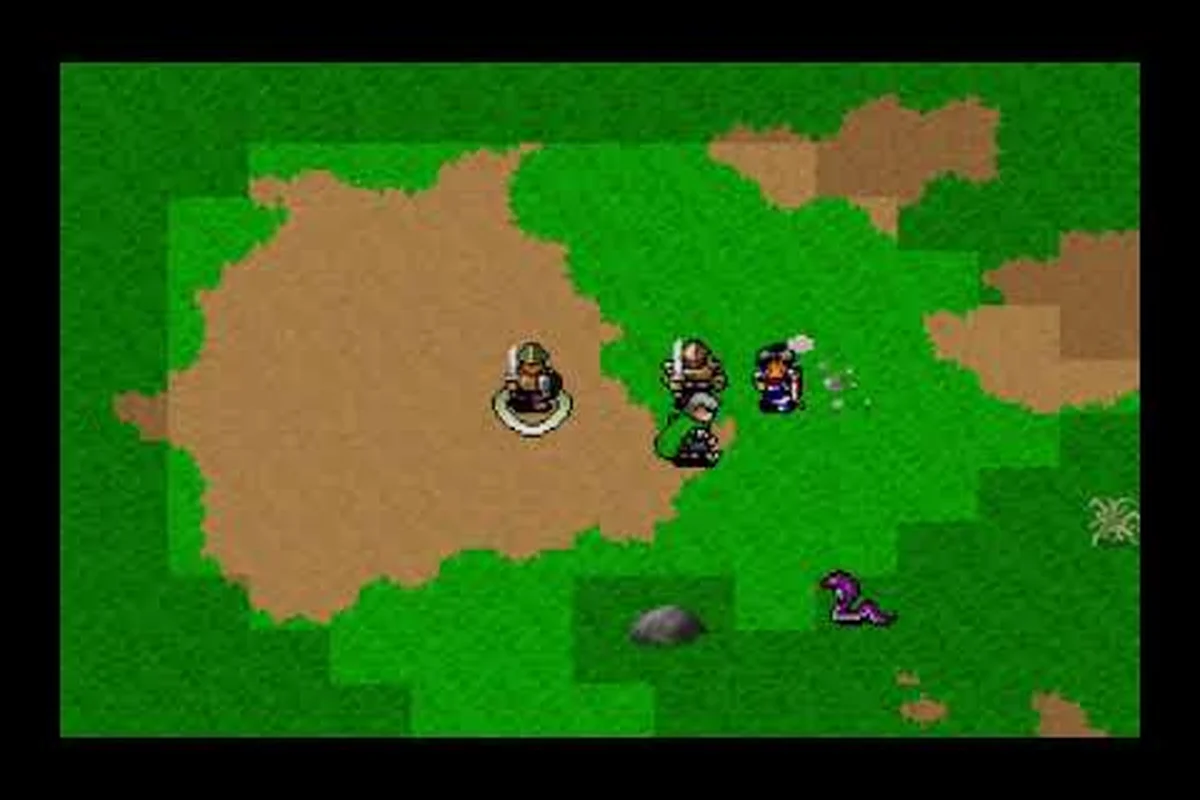
The Astonishia Story original is more than a footnote in Korean RPG history, because every 2D sprite you meet in the 2027 HD remake traces its lineage back to a 1994 MS-DOS release built by Sonnori. Long before latein became a grid-based battleground, it was a tile-based overworld rendered on 640x480 VGA screens, and the mercenary-kidnapping hook that NIS America is now promoting was already the central gimmick of the original. Returning to the roots matters for anyone trying to understand what the remake preserves, what it reinvents, and why the Astonishia Story 1994 debut still influences modern design choices.
The 1994 Debut: How Astonishia Story Original Entered Korean PC Gaming
Development Context and Sonnori's Vision
Sonnori released Astonishia Story original in 1994 for South Korean MS-DOS PCs, a market dominated at the time by local shareware, console ports, and early Ultima-likes. The team designed the title as a compact, single-player fantasy RPG that could run on modest 386 and 486 hardware while still delivering turn-based combat, an inventory system, and a multi-region overworld. This is why the latein continent of the original feels smaller and more linear than its successors, because the developers prioritized a tight 8 to 12 hour campaign over the sprawling world maps that later defined the franchise.
According to the Astonishia Story on Wikipedia - History, Plot, Characters entry, the 1994 build laid the groundwork for every later version, including the canonical protagonist Sir Kail, the kingdom of Nahm, and the mercenary recruitment system that the Astonishia Story on Steam - Official Store Page now markets as "Round Up and Recruit." Understanding this foundation explains why the 2027 HD remake feels faithful rather than reinventive.
Hardware Footprint and Technical Limits
| Spec | Astonishia Story Original (1994) | Modern Equivalent |
|---|---|---|
| Platform | MS-DOS PCs (386/486 era) | Steam, PS5, Switch 2, Switch |
| Resolution | 320x200 / 640x480 VGA | 1080p / 4K HD redraw |
| Audio | PC speaker / OPL FM synth | Orchestral + voice |
| Input | Keyboard only | Keyboard, mouse, full controller |
| Avg. Runtime | 8-12 hours | 12-15 hours (expanded remake) |
The Astonishia Story MS DOS version had to compress every visual cue into tiny 16x16 tiles, which forced an icon-heavy UI that modern players will recognize when they see the remake's redrawn art. The grid combat system in the 2027 build is a direct descendant of the original's positioning logic, even though the sprite count and animation frames have multiplied.
Story Pillars Introduced in 1994
The 1994 script established three narrative beats that every later version keeps:
-
Sir Kail's mercenary origin — a low-ranking soldier who buys his way into the army, not a chosen one
-
The Latein political conflict — rival kingdoms vying for an ancient gem tied to a hidden power
-
The "kidnap-to-recruit" twist — capturing enemy units and converting them into party members instead of slaying them
These beats survive into the PSP port, the GP32 Astonishia Story R remake of 2002, and the 2027 HD update, because they are the franchise's identity. If you have ever wondered why Kail never feels like a typical JRPG hero, it is because the Astonishia Story original cast him as an underdog soldier from day one.
From MS-DOS to GP32: The Astonishia Story R Remake in 2002
Why a Remake Was Needed
By the early 2000s, the original was no longer installable on most Korean Windows PCs, because the DOS executable and sound drivers required legacy hardware. Sonnori decided to rebuild the game from the ground up for the GP32, a Korean handheld console, and released it in January 2002 under the title Astonishia Story R remake. This new build was not a port but a true ground-up rewrite, and it added animated battle sprites, a 16-bit color palette, and a re-recorded soundtrack that has since become iconic to fans.
The Astonishia Story R remake also became the basis for the later Windows and PSP versions, which is why any comparison between the 1994 original and the 2027 HD release tends to route through this 2002 pivot point. You can see this lineage in our Astonishia Story R PSP version deep dive, which traces how the GP32 build kept expanding after 2002.
Differences Between the 1994 Original and Astonishia Story R
| Element | Astonishia Story Original (1994) | Astonishia Story R (2002) |
|---|---|---|
| Platform | MS-DOS | GP32 handheld, later Windows |
| Sprite Style | Static 16-color EGA-style | Animated 16-bit pixel art |
| Sound | PC speaker beeps, OPL FM | Re-orchestrated OST |
| Save System | Password-based | Battery / memory card save |
| New Content | None (base game) | Bonus dungeon, hidden weapons |
| Audience | Korean PC enthusiasts | Korean + import handheld fans |
The GP32 release essentially rescued the franchise from obscurity, and the Astonishia Story R remake's expanded roster of recruitable mercenaries set the template that the PSP and Steam builds would later scale up. If the 1994 original is the seed, then the 2002 remake is the first flower, and every later port inherits its color palette.
Community Reception and Cult Status
According to community reports from Korean retro-RPG forums, Astonishia Story R sold modestly in Korea but cultivated a passionate import crowd in Japan and Southeast Asia, which is what eventually pushed Sonnori's successor studios to port the title to the PSP. Players at the time praised the "kidnap-then-recruit" combat twist as more strategic than the simple defeat-to-recruit loop that dominated mid-2000s JRPGs, and that mechanical DNA is still visible in the 2027 remake's "Round Up and Recruit" marketing.
The PSP Era: Porting Astonishia Story Original to a 16:9 Handheld
Localization Timeline and Regional Rollout
The PSP version of Astonishia Story launched in Korea on August 12, 2005, and it then rolled out across Australasia on June 23, 2006, North America on June 27, 2006, Europe on June 30, 2006, and Japan shortly after. This staggered release is important, because the North American and European builds were the first time most Western players encountered the Astonishia Story original plot, and the localization team had to fit the Korean script into the 16:9 widescreen format that Sony mandated for PSP titles.
| Region | Astonishia Story PSP Release Date | Notable Localized Element |
|---|---|---|
| South Korea | August 12, 2005 | Original Korean VO + text |
| Australasia | June 23, 2006 | English text, no JP option |
| North America | June 27, 2006 | First English voice work |
| Europe | June 30, 2006 | PAL framerate adjustments |
| Japan | Late 2006 | Japanese voice dub added |
This PSP era is the version that most English-speaking fans remember, and it is the build that introduced the franchise to IGN, GameSpot, and other Western outlets that later covered the Crimson Gem Saga - The Sequel on Wikipedia follow-up. The Astonishia Story PSP port also became the foundation for the 2008 sequel Garnet Chronicle (known as Crimson Gem Saga in the West), which carried the same combat system into a new continent.
16:9 Adaptation Challenges
Sonnori's PSP team had to redraw nearly every background to fit the wider screen, because the original 4:3 VGA assets left heavy black bars on either side if they were simply stretched. This is why the PSP version's environmental art looks slightly different from the 2002 GP32 build even though they share the same sprite set. The art team chose to add new parallax layers instead of redrawing characters, which preserved the iconic Kail sprite while giving the world a more cinematic feel. If you want a side-by-side analysis of how the PSP version compares to the 2027 Steam release, our Astonishia Story remake vs PSP review breaks down the camera, frame rate, and UI changes in detail.
The 2027 HD Remake: How Astonishia Story Original DNA Lives On
Visual Redraw Versus Pixel-Accurate Port
NIS America and the co-developers did not simply upscale the PSP sprites for the 2027 release. According to the Astonishia Story Official Steam News Hub, the team performed a complete high-definition pixel-art redraw of every character, every enemy, and every background, while preserving the original 1994 grid-based positioning logic. The result is a game that looks modern but plays exactly like the Astonishia Story MS DOS original, because the underlying turn-based math and movement rules are unchanged.
| Layer | 1994 Original | 2002 R Remake | 2005 PSP | 2027 HD Remake |
|---|---|---|---|---|
| Resolution | 320x200 | 320x240 | 480x272 | Up to 4K |
| Animation Frames | 2-3 per action | 4-6 per action | 4-6 per action | 8-12 per action |
| Voice Acting | None | None (text-only) | English + JP | EN/JP/KR/ZH voice |
| Languages | Korean only | Korean only | EN/KR/JP | EN/JP/KR/ZH-CN/ZH-TW |
| Controller Support | Keyboard | Handheld buttons | PSP D-pad | Full controller + KB/M |
The 2027 release also adds Family Sharing, full controller remapping, and Windows-native save handling, which is a long-overdue modernization of the original's password-save system. For a practical look at the new control options, our Astonishia Story Steam controls guide walks through the default bindings.
The "Round Up and Recruit" Hook: A Direct Line to 1994
NIS America's announcement trailer leans heavily on the "Round Up and Recruit" tagline, and this is the most direct callback to the Astonishia Story original design. The 1994 MS-DOS version already used a battle grid where players could push weakened enemies into corners, knock their HP below a threshold, and then capture them instead of killing them. The 2027 remake keeps this mechanic but adds visual juice: capture animations, recruitment cut-ins, and party-formation previews that the original could never render. You can see the trailer hook in the Astonishia Story - Announcement & Release Date Trailer (NIS America) on YouTube, which confirms that the recruitment system is positioned as the headline feature rather than a niche quirk.
What the Remake Preserves Versus Reimagines
-
Preserved: turn-based grid combat, Kail's mercenary origin, latein continent map layout, the gem-centric main quest
-
Reimagined: full English/Japanese/Korean voice tracks, dynamic lighting on the battle grid, modernized UI, widescreen-exclusive cinematics
-
Added: optional tutorial overlays, Steam Achievements, photo mode, expanded save slots
The result is a remake that respects the Astonishia Story original blueprint while removing the friction that kept 1994 PC players from finishing the campaign. The 8 to 12 hour runtime of the original has grown to roughly 12 to 15 hours in the HD build, because optional side dungeons and the new photo mode add replay value without bloating the core story.
Why the Astonishia Story Original Still Matters in 2026
Cultural Footprint in Korean RPG History
Sonnori's 1994 release is one of the earliest Korean-developed turn-based RPGs to gain a cult following outside the domestic market, and it predates the better-known Korean RPG boom of the late 2000s by more than a decade. Modern Korean developers frequently cite the Astonishia Story MS DOS original as an influence, because it proved that a small team could ship a complete JRPG-style experience without publisher funding. That independent spirit is part of why the 2027 remake is launching on PC, PS5, Switch 2, and the original Switch instead of being held hostage to a single platform exclusive.
The Franchise Roadmap Beyond the Remake
| Title | Year | Platform | Relation to Original |
|---|---|---|---|
| Astonishia Story original | 1994 | MS-DOS | Base game |
| Astonishia Story R remake | 2002 | GP32, Windows | Full visual + audio rebuild |
| Astonishia Story PSP | 2005-2006 | PSP | 16:9 port of the R build |
| Crimson Gem Saga / Garnet Chronicle | 2008-2009 | PSP | Direct story sequel |
| Astonishia Story HD | 2027 | Steam, PS5, Switch 2, Switch | HD redraw of the R build |
| Unannounced sequel | TBD | TBD | Potential follow-up |
This roadmap shows that the 2027 remake is not the end of the line, it is a re-entry point. If the HD version sells well, NIS America and the co-developers are likely to revisit Crimson Gem Saga next, which would bring the entire latein saga to modern hardware. For context on what that sequel looks like, our Astonishia Story Garnet Chronicle primer covers the 2008 plot and the post-remake sequel rumors.
Practical Takeaways for Returning Veterans and Newcomers
-
Veterans should treat the 2027 HD build as the definitive way to replay the Astonishia Story original, because the redraw preserves every iconic sprite while adding quality-of-life features that the MS DOS version could never offer.
-
Newcomers will find the remake's tutorial overlays forgiving, but they should know that the underlying turn-based grid logic is unchanged from 1994, so the difficulty curve still respects classic JRPG pacing.
-
Import collectors who own the 2005 Korean PSP cart can still enjoy the original 16:9 port, though the 2027 release is now the canonical English-language edition.
-
Remake-first players who want to understand the differences should also read the Astonishia Story remake changes guide to see what the developers added versus what they preserved.
자주 묻는 질문
What is the Astonishia Story original release date and platform?
The Astonishia Story original launched in 1994 for South Korean MS-DOS PCs. It was developed by Sonnori and built to run on 386 and 486 era hardware, which is why the resolution tops out at 640x480 VGA and the audio uses OPL FM synthesis or PC speaker beeps.
How does Astonishia Story R relate to the 1994 original?
Astonishia Story R is a 2002 ground-up remake released first for the GP32 handheld and later ported to Windows and the PSP. It redraws every sprite, re-orchestrates the soundtrack, and adds bonus content, but it preserves the turn-based grid combat and the "kidnap-to-recruit" mercenary system that the 1994 original introduced.
Is the PSP port the same as the Astonishia Story original?
The Astonishia Story PSP port is based on the 2002 R remake, not the 1994 MS-DOS build. It adapts the latein continent to a 16:9 widescreen format, redraws backgrounds for parallax layering, and adds the first English-language localization, but the core combat grid and story beats come from the R build.
Will the 2027 HD remake change the 1994 story?
No, the 2027 HD remake keeps the canonical Kail, Nahm, and latein plot from the Astonishia Story original. The team added modernized UI, voice acting in five languages, and a redrawn pixel art style, but the narrative order, recruitable mercenaries, and gem-based main quest remain faithful to the 1994 script.
Can I play the Astonishia Story MS DOS version today?
You can run the Astonishia Story MS DOS version using DOSBox or a similar emulator, and the original Korean executable is preserved in several retro-PC archives. However, the 2027 Steam release offers a legal, modernized way to experience the same campaign with English, Japanese, Korean, Traditional Chinese, and Simplified Chinese support.