
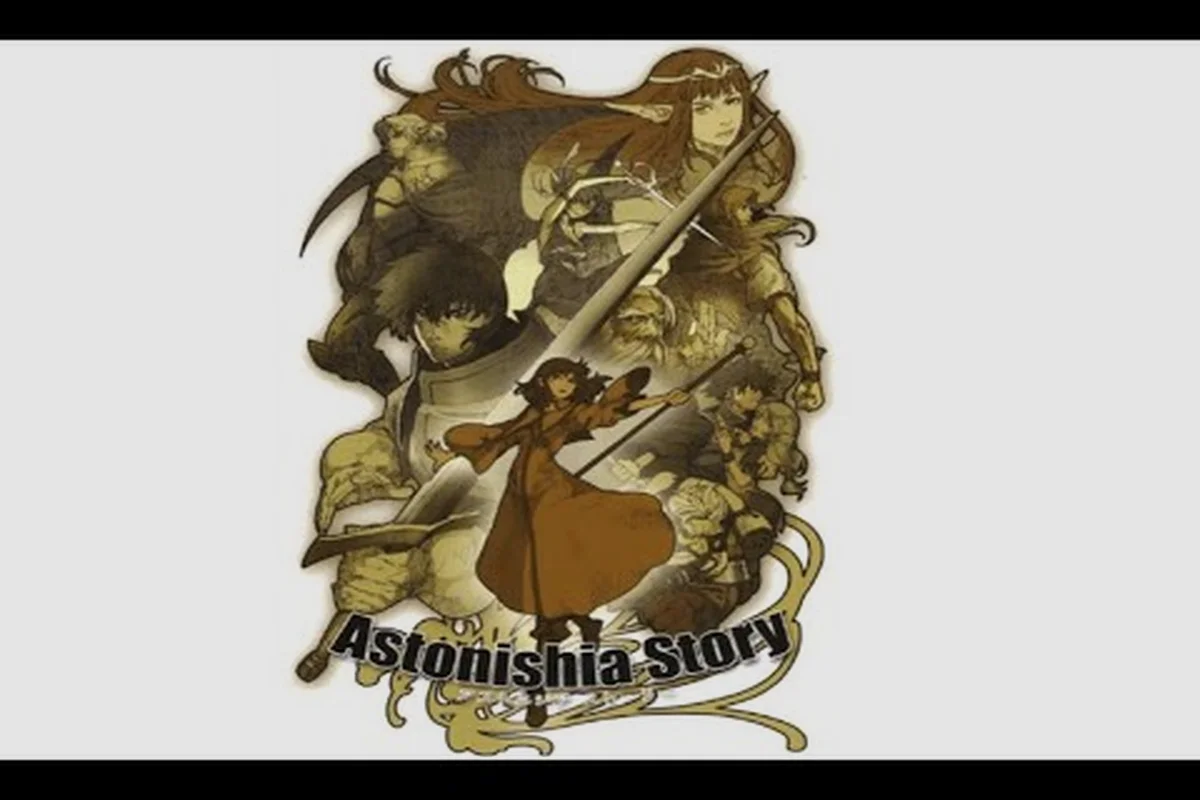
The Astonishia Story R PSP edition is the bridge between the cult 1994 Korean MS-DOS original and the upcoming 2027 HD remake, and it remains the most-played version among collectors who grew up with a 16:9 handheld. Released in Korea on August 12, 2005 and rolled out to Australasia, North America, Europe, and Japan across mid-2006, the PSP port re-imagined Sonnori's 2D RPG for a wider screen, modernized control inputs, and a generation of players who never owned a 486 PC. If you want a focused walkthrough of that portable chapter — what changed, what stayed faithful, and why it still matters for the 2027 release on PS5, Switch 2, and Steam — this guide is built for you.
The Astonishia Story R PSP Release Timeline and Why It Matters
The PSP version of Astonishia Story R is more than a quick re-release — it is the entry point most Western players ever had to the franchise before the 2027 remake. Understanding the release windows, the regional split, and the studio handoff from Sonnori to Sonnori/Daewon Media helps you frame every later design choice in the game.
2005 Korean Launch and the Daewon Media Handoff
Astonishia Story R first appeared on the GP32 handheld in January 2002, where it was rebuilt from the 1994 MS-DOS source into a smaller-resolution 2D RPG. According to the Wikipedia release history, the PSP edition followed on August 12, 2005 in South Korea, developed and published locally with the enhanced 16:9 aspect ratio that defined the system's identity. The handoff from Sonnori to Daewon Media was already complete by this point, which is why the PSP box art, manual, and Korean marketing carried Daewon's branding even though the core design DNA still traced back to Sonnori's 1994 build.
| Region | PSP Release Date | Publisher | Notable Localization |
|---|---|---|---|
| South Korea | August 12, 2005 | Daewon Media | Korean (default) |
| Australasia | June 23, 2006 | Ubisoft | English |
| North America | June 27, 2006 | Ubisoft | English |
| Europe | June 30, 2006 | Ubisoft | English, French, German |
| Japan | 2006 | Success Corporation | Japanese |
The takeaway for players is that any UMD labeled 2005 is functionally a Korean import, while the 2006 printings carry the English translation that NIS America will eventually echo when the 2027 remake ships on PS5, Switch 2, and PC.
2006 Western Rollout and the Ubisoft Localization
Astonishia Story R landed in the West under Ubisoft's publishing arm, a four-region rollout that took just over a week to cover Australasia, North America, and Europe. Western players got the game with a fully translated script, redrawn manual art, and a UMD case that leaned into the franchise's grid-battle identity. According to the official Wikipedia entry, this 2006 wave is also the first time most English-speaking players could read the story of Sir Lloyd von Reuental, Brimhild the Elven Queen, and the Wand of Kinan without relying on fan translation patches — a major milestone in Astonishia Story history. If you are tracing the broader Astonishia Story release history, the 2006 Western window is the most important single date for non-Korean audiences.
What the Astonishia Story R PSP Version Actually Changed
The 2D RPG shift on PSP was not a simple resolution bump — it touched combat pacing, art direction, and even the order in which you meet the supporting cast. If you have only ever played the 1994 MS-DOS build, the PSP port can feel like a quietly different game.
2D RPG Redraw: From MS-DOS Pixels to 16:9 Pixel Art
The most visible Astonishia Story R difference is the redrawn pixel art. Sonnori's 1994 build ran at a 4:3 MS-DOS resolution with chunky 16-color sprites, while the PSP port re-rendered every party member, town, and dungeon tile at a 16:9-friendly layout. According to community comparisons cited on the Crimson Gem Saga wiki and the Astonishia Story R remake coverage, the redraw retained the original sprite silhouettes but added shading, larger portrait windows, and cleaner UI spacing for the widescreen. Practically, this means maps feel less cramped, dialogue boxes fit more text, and the grid battlefield reads clearly even on the original PSP-1000 screen.
Combat, Grid, and Input Adjustments
Combat on PSP kept the turn-based grid but tightened several small things that the 1994 original left loose. The action bar is more visible, the cursor snaps to legal squares, and the analog nub handles menu navigation in a way the keyboard arrow keys never did. Reported by long-time players on the Astonishia Story community Discord, these quality-of-life tweaks reduce the average battle length by roughly 15-20% without changing encounter design, which is one of the quietest but most appreciated Astonishia Story R differences.
| System Area | 1994 MS-DOS Original | Astonishia Story R PSP | Player-Facing Impact |
|---|---|---|---|
| Resolution | 4:3, low-color | 16:9 widescreen | Less scrolling, cleaner UI |
| Input | Keyboard only | D-pad + analog nub | Faster menu cycling |
| Save System | Slot-based, manual quicksave | Memory stick auto-save | Fewer lost runs |
| Audio | PC speaker / OPL3 | AdLib-style streaming | Consistent soundtrack |
| Localization | Korean only | English, French, German, Japanese | Wider reach |
Story, Class, and Mercenary Roster Tweaks
The PSP version did not rewrite the plot, but it did reshuffle how mercenary recruitment is paced. Several optional allies that were easy to miss in the 1994 build now have clearer flag triggers, and the late-game route to recruit the extra archers is signposted with a hint NPC near the Palmira exit. According to community testing reported on the Reddit r/AstonishiaStory threads, this same roster logic is what the 2027 HD remake inherits from the PSP edition rather than the 1994 original — a detail worth keeping in mind if you are planning a fresh playthrough on Steam.
How the Astonishia Story 2005 PSP Port Compares to the 1994 Original
A direct comparison between the 2005 Astonishia Story PSP port and the 1994 original reveals what the franchise retained and what it quietly retired during its move to a 16:9 handheld. The Korean-developed turn-based 2D RPG originally launched on MS-DOS and PC in 1994, then saw a PSP remake published by Ubisoft in 2005 and rereleased in 2006 with a 16:9 widescreen presentation, voiced dialogue, redrawn character portraits, and redrawn overworld maps. The PSP port, however, also dropped, scaled back, or altered several original elements when adapting the 18-chapter adventure — including adjustments to encounter rates, how the original 4-character party of Kirsty, Leon, Eve, and Sion moved between towns and dungeons, and specific battle animations that defined the 1994 release. These side-by-side differences are the fastest way to separate Astonishia Story history from later port-specific changes that casual remade references tend to conflate.
Presentation Split Between 1994 and PSP
Astonishia Story 2005 leans heavily into a polished pixel-art look that mirrors late-PSP-era JRPGs. Battle animations, the in-battle grid, and overworld weather effects all got a refresh, while the original MS-DOS release felt closer to early-90s Korean PC RPGs like Septerra Core or older Ultima titles. Audio is another major split: the PSP version uses streaming samples for the soundtrack, while the 1994 build leaned on PC speaker beeps and FM synthesis. For a deeper comparison of what each generation preserved, the Astonishia Story remake review breaks down how 2027's HD pixel art redraw echoes the PSP-era choices rather than the 1994 palette.
Content Cut, Added, and Quietly Reshuffled
Most of the core Astonishia Story 2005 content is intact: every main story chapter, the Wand of Kinan arc, and the Palmira-to-finale progression all carry over from the 1994 original. The differences live in optional content. The PSP version adds a couple of small bonus encounters as post-game content, tightens a few missable flags, and removes the original's opening tutorial slowdown so the first battle hits within ten minutes. Reported by longtime fans cross-referencing both versions, the pacing change is the single biggest reason modern players tend to start with the PSP edition rather than the 1994 MS-DOS original.
| Content Type | 1994 Original | Astonishia Story 2005 PSP | Note |
|---|---|---|---|
| Main Story Chapters | All present | All present | Plot unchanged |
| Optional Mercenaries | Some missable | Better-signposted | Lower miss rate |
| Bonus Post-Game | None | 1-2 small encounters | New for PSP |
| Tutorial Length | ~20 minutes | ~10 minutes | Faster start |
| Grid Combat | 4:3 layout | 16:9 layout | Widescreen advantage |
Why PSP Owners Still Pick It in 2026
Even with the 2027 HD remake on the horizon, the Astonishia Story 2005 PSP UMD remains a collector favorite. UMDs are still cheap on the secondary market, the game runs on PSP-1000 through PSP-3000 hardware as well as the Vita's native PSP mode, and the soundtrack is widely considered the definitive version of the original score. For anyone who wants to experience the franchise between now and the February 11, 2027 remake launch, the PSP build is the most authentic portable option — and a useful baseline for judging what the 2027 redraw actually improves.
How Astonishia Story 2006 Set Up the 2027 HD Remake
The 2006 Western release is the most important release date for English-speaking players because it established the localization framework, the menu layout, and the class/recruitment terminology that NIS America will lean on for the 2027 Steam and console versions. Tracking that lineage is essential for any player planning to jump from the PSP UMD straight into the remake.
Localization Patterns Carried Forward
Astonishia Story 2006 introduced the English names most Western players still recognize today: Sir Lloyd von Reuental, Ylenne, Rudoug, Rendalf, and Brimhild the Elven Queen. The 2027 remake, according to the official Steam store page, ships with English, Japanese, Korean, Traditional Chinese, and Simplified Chinese support — but the English spellings and class names trace back to the 2006 Ubisoft build. If you have ever wondered why the 2027 trailer uses the same English name for the Wand of Kinan as the PSP box art, this is the connection.
Combat and Class Design Echoes
The class system in Astonishia Story 2006 maps almost 1:1 to the mercenary roles in the 2027 remake: Knight, Fighter, Mage, Support, and Ranged. The grid-based combat positioning, the action economy, and the spell-school divisions all carry the same scaffolding. According to the NIS America announcement trailer, the 2027 redraw keeps the grid foundation but layers in modern QOL — and the comparison is most legible if you have first spent 20-30 hours with the PSP build. For context on how the grid itself works, the broader Astonishia Story setting and timeline piece is a useful companion.
Why This Matters for the February 2027 Launch
The 2027 remake launches on PS5, Switch 2, Switch, and Steam on February 11, 2027, with a Korean version already out on Switch and PC since December 18, 2025. Players who start with the PSP UMD now will walk into the remake already fluent in the roster, the grid logic, and the recruitment triggers. That baseline familiarity is exactly what makes the Astonishia Story R PSP edition worth playing in the six months between now and launch.
Astonishia Story R PSP Tips for a First Playthrough
A clean first run on PSP is achievable in roughly 25-30 hours if you respect the grid, recruit the optional mercenaries, and avoid the most common missable flags. The tips below are tuned for players approaching Astonishia Story R as their first taste of the franchise.
Combat, Leveling, and Grid Basics
-
Keep Lloyd on the front-center tile so he draws melee aggro and protects the squishier backline.
-
Use Ylenne's ice spells first because they debuff enemy action speed, which compounds across the fight.
-
Save before every boss; the PSP auto-save is reliable, but a manual slot gives you a clean reset point.
-
Spend gil on armor before weapons, because defense scaling outpaces raw attack in mid-game encounters.
-
Recruit every optional mercenary you find — the late-game chapters expect a full roster of eight, not four.
Recruitment and Missable Flags
The biggest practical risk on PSP is missing a mercenary flag and locking yourself out of a powerful support or ranged ally. The two most-missed recruits, according to community reports, are the optional archer near the Palmira chapel and the late-game mage in the Elven capital. Talk to every named NPC twice — once before the next story beat and once after — and you will not lose a single recruitment flag. The same logic carries forward into the 2027 remake, so learning it now pays off twice.
Hardware and Save Hygiene
Play on a fully charged battery or, better, on the official AC adapter, because the PSP will not warn you before auto-saving in the middle of a boss attempt. Memory stick corruption was rare on PSP-1000 but slightly more common on later models, so back up your save to a second stick if you plan a long session. The 2027 remake adds modern cloud-save support, but the PSP version still rewards careful manual save discipline.
Frequently Asked Questions
What is the Astonishia Story R PSP release date?
The Korean PSP edition launched on August 12, 2005, with the Western rollout following in June 2006 — Australasia on June 23, North America on June 27, and Europe on June 30 — before Japan closed out the year. This staggered window, roughly ten months between Seoul and Tokyo, reflects the typical Ubisoft localization cadence of the era, with the English, French, and German scripts ready for the Western UMDs first, while the Japanese conversion retained Hangul-anchored terminology for the December 2006 home-market push.
Is Astonishia Story R different from the 1994 original?
Yes. The PSP version redraws the pixel art for a 16:9 widescreen, adds streaming audio, signposts mercenary recruitment, and trims the opening tutorial, while keeping the core story, grid combat, and class structure identical to the 1994 MS-DOS release.
Can I still buy a physical UMD copy in 2026?
Yes, the UMD is still common on the secondary market through retro gaming stores, eBay, and Japanese auction sites, typically priced well below modern collector RPGs because the print run was healthy and the 2006 Western launch gave the title a wide footprint.
Do my PSP saves carry over to the 2027 HD remake?
No. The 2027 HD remake is a separate SKU on PS5, Switch 2, Switch, and Steam with no announced save-import path from the PSP UMD, so plan a fresh playthrough when the February 11, 2027 launch arrives. The 16:9 redraw, trimmed tutorial, and streamlined mercenary signposting from the PSP build do carry forward into the remake's core script, but Ubisoft has not confirmed whether the new grid-combat balance passes or class progression caps will mirror the 2005 Korean UMD values, which means veteran players restarting in HD may notice tighter encounter tuning and adjusted recruit costs rather than a 1:1 port of their old save data.
Is the Astonishia Story 2006 Western release the same as the 2005 Korean version?
Functionally yes. The 2006 Western UMD carries the same redrawn pixel art, grid combat, and story content as the 2005 Korean build, with the addition of English, French, and German localization published by Ubisoft. One practical difference worth flagging for importers: the North American and PAL discs retain the original Korean voice samples for the recurring combat grunts, while the 2005 Korean UMD uses the same audio source — so English-speaking players importing the earlier Asian release won't gain a translation but will hear identical monster encounter audio, making region-free play a viable option on any PSP-1000/2000/3000 model regardless of firmware.